I like books. If I want to explore a new topic, I am looking for books at Amazon. One of my discoverings is the book of Angela Ackerman and Becca Puglisi: The Emotion Thesaurus – A Writer’s Guide to Character Expression.
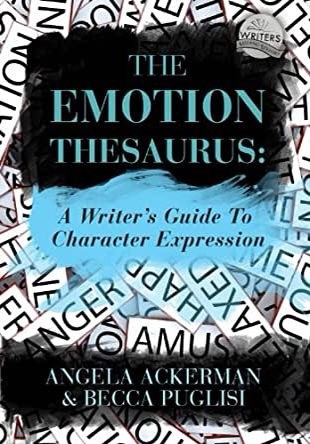
True. It is about writing of feeling and not drawing, but that is OK to get an overview.
You may want to describe your inside by using words that go beyondbasic descriptions like sad and happy. Maybe your character is sad. Then you can lookup „sadness“.
You will find a few pages about this emotion. There is a definition that tells what this emotion is about. There will be physical and mental features you want to consider. There are transitions to similar emotions and usable verbs.
For „sadness“, we get…
- Physical signals: a puffy face or eyes that appear red
- Internal sensations: a runny nose
- Mental responses: difficulty responding to questions
- Acute responses: crying
- Signs of suppression: biting the lip
- Escalates to: nostalgia
- Deescalates to: wistful
- Verbs: moan
In this blog I will use the book to describe each emotion using my drawing abilities.

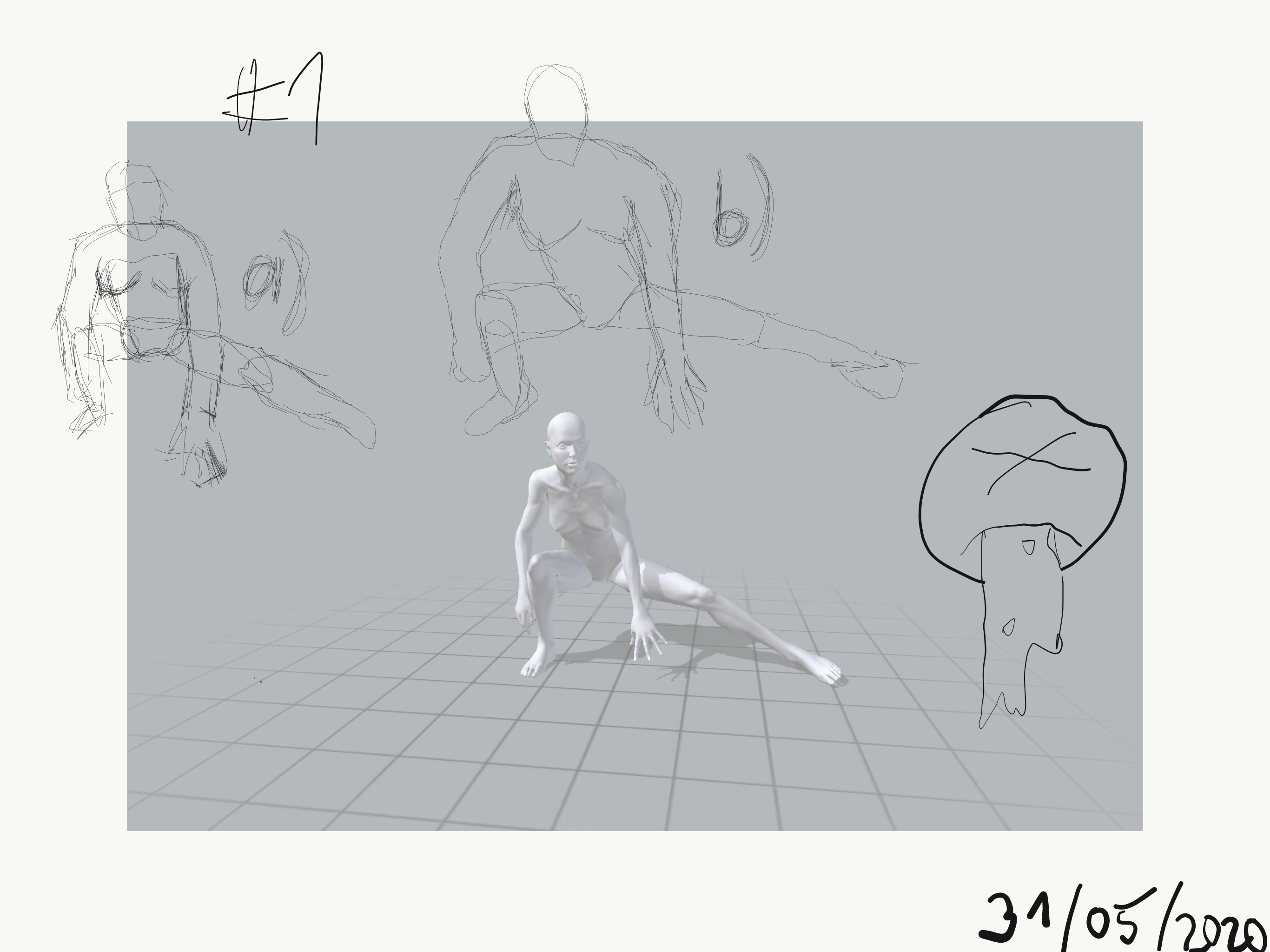
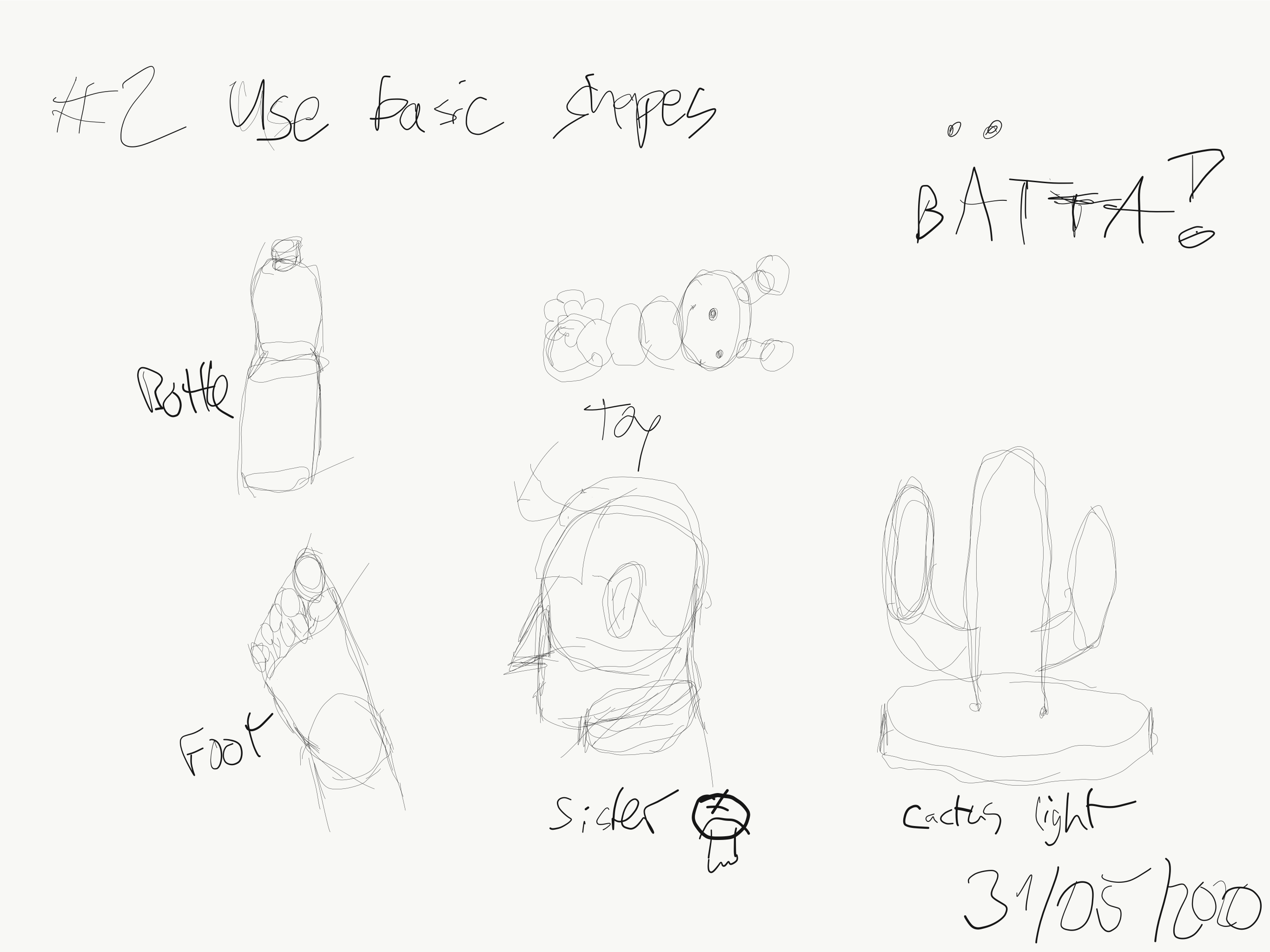
 create emotions